Google Has Switched Off the AMP Cache: Searchers Now Land on Publisher-Hosted AMP Pages
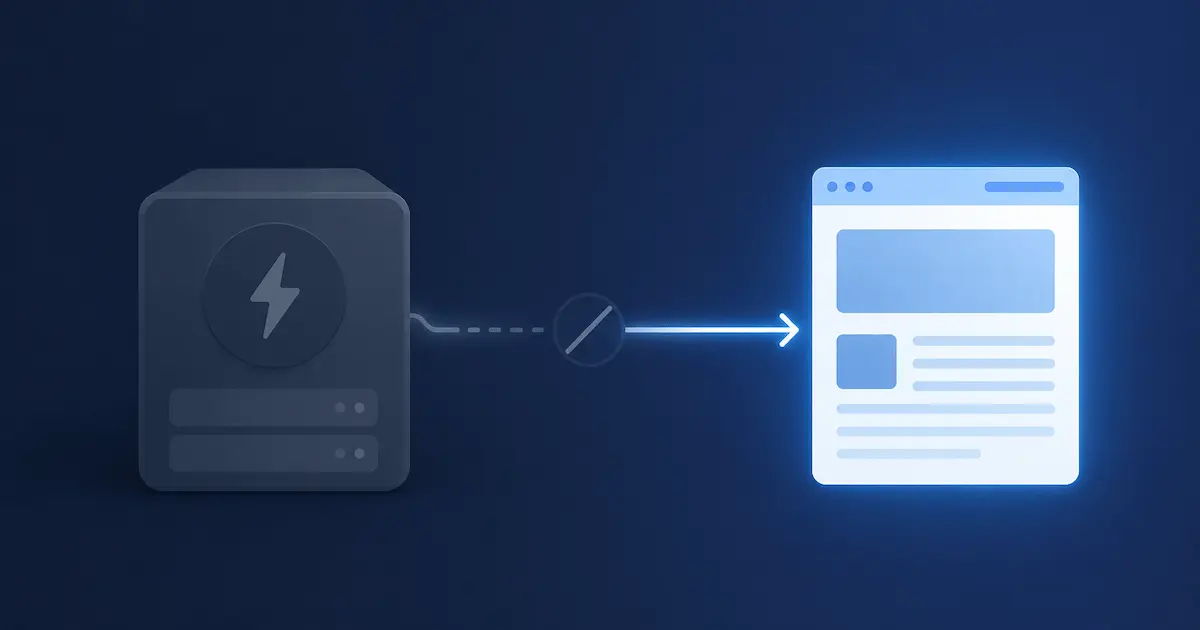
As of 1 July 2026, Google Search has stopped serving AMP pages from its own AMP Cache and AMP viewer. Clicking an AMP result now takes the searcher directly to the publisher’s own AMP page rather than to a cached copy displayed inside a Google-hosted viewer. Google has removed references to the AMP viewer, AMP Cache, and signed exchanges from its AMP documentation to reflect the change.
AMP (Accelerated Mobile Pages) is a stripped-back HTML framework, backed by Google, for building fast-loading mobile pages. Its performance edge came largely from Google serving those pages from its own cache, so they loaded near-instantly straight from the results. That cache is the piece now being switched off.
Google states there is no impact on how AMP pages rank or are served in Search or Discover: “AMP content will continue to rank just like any other webpage.”
What has actually changed?
The change is to delivery, not eligibility. Previously, an AMP result could be served from Google’s AMP Cache and rendered inside the AMP viewer, with the URL bar showing a Google-hosted address. Now the click resolves to the publisher’s own AMP host page, the same as any other web result.
Google’s stated reason is maintenance reduction. Publishers no longer need to keep AMP caches updated or configure signed exchanges, the mechanism that let cached pages display the publisher’s own domain in the URL bar. Google removed the viewer, cache, and signed-exchange documentation as part of the same update.
What this does not change
Rankings and eligibility are untouched. AMP pages continue to compete in Search and Discover on the same basis as any other page, and Top Stories eligibility is unaffected. AMP has not been a requirement for Top Stories since 2021, when Google replaced it with Core Web Vitals as the performance benchmark for news results; this update does not reintroduce any AMP requirement.
For publishers still running AMP, existing pages keep working. The practical effect is that some AMP-specific maintenance, cache updates and signed exchanges, is now redundant.
What this means
For most sites this is a non-event, because AMP adoption has been declining for years and major publishers have migrated away from it. If you still maintain AMP, the useful takeaway is that you can retire the cache-management and signed-exchange parts of your setup, since Google no longer uses them.
The change is best read as Google winding down the AMP delivery infrastructure rather than as a signal to build or abandon AMP. It removes maintenance overhead without penalising AMP content or changing how it ranks. As always with a documentation-led change like this, confirm the specifics against Google’s own AMP documentation before making infrastructure decisions.
Sources
- Updating AMP documentation — Google Search Central (Updates)
- Google Search now sends searchers directly to publisher-hosted AMP pages — Search Engine Land
- Google Ends Cache-Served AMP Pages In Search — Search Engine Journal
- Google Search Now Sends Searchers To Publisher-Hosted AMP Pages — Search Engine Roundtable
More news
-
Google Rebuilds European Search Results for Hotels, Flights and Products
Google's search results in the EEA now carry two new blocks for hotel, flight, transport and product queries. The UK is not in the EEA and is unaffected.
-
Google Stops Enforcing Site Reputation Manual Actions Inside the EEA
From 30 August 2026, a Google site reputation abuse manual action no longer demotes the offending section for searchers inside the EEA.
-
Google's Favicon Docs Confirm SVG Favicons Are Not Supported
Google's favicon documentation now names the seven formats it supports. Neither SVG nor WebP is among them, so an SVG-only favicon shows nothing in results.