Google Analytics to Add Google Business Profile Data
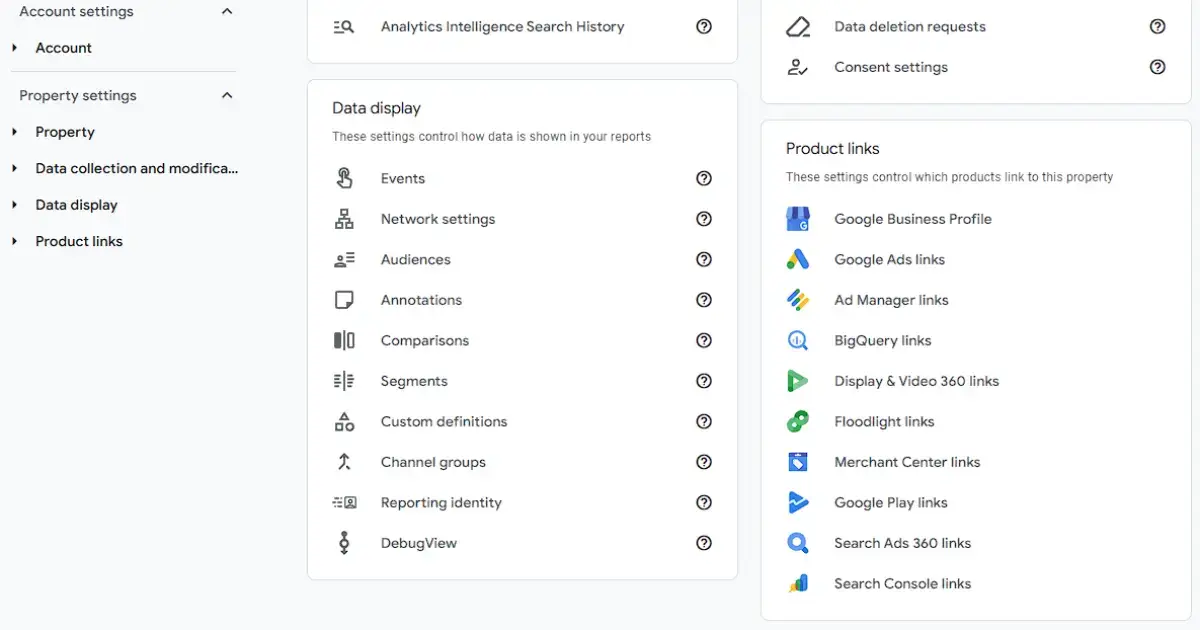
Google has announced a native integration between Google Business Profile and Google Analytics, bringing local interaction data into GA reports without UTM parameters for the first time. The feature is rolling out over the next few weeks from June 2026, with some businesses already receiving email notification.
What data does the integration add?
Once linked, a dedicated Google Business Profile section appears in GA reporting with the following metrics:
- Interactions
- Website clicks
- Calls
- Directions
- Messages
- Bookings
- Menus
Data covers the last six months only. If multiple Business Profiles are linked, metrics are aggregated across all locations.
Previously, the only way GBP data entered Google Analytics was via UTM parameters on profile website links, capturing website clicks only. This integration brings offline actions, calls, directions, and bookings, into Analytics alongside web data natively for the first time.
How to set it up
The integration is configured in GA Admin under Product Links → Google Business Profile Links. You will need Editor or Administrator access on the Analytics property, and Owner or Manager permission on the Business Profile(s) you want to link. Once linked, data populates immediately.
The feature is not yet visible in all accounts. Google has indicated it will appear in the Product Links section of GA Admin within a few weeks.
Limitations
Meaningful constraints apply before expecting too much from this integration:
- No per-location segmentation. Multi-location businesses get aggregated totals only. Individual location performance is not available within Analytics.
- No explorations or filters. GBP metrics cannot be used in custom explorations or with filters applied.
- Not supported for subproperties.
- All metric types shown regardless of business category. The native GBP dashboard filters metrics by business type; Analytics does not.
- Six months of data only. No historical data beyond that window.
What this means
For single-location businesses, this consolidates local and web performance data in one place, making it easier to see how GBP interactions relate to website engagement without switching between platforms.
For multi-location businesses and agencies, the value is limited. Location-level analysis remains available only in the GBP dashboard and Performance API, not in Analytics. Businesses that need granular local reporting should continue using those tools.
The integration also makes it easier to spot correlations between local advertising spend and profile engagement, such as direction requests following a campaign. That context was previously difficult to surface without manually joining data from two separate platforms.
Sources
More news
-
Google Rebuilds European Search Results for Hotels, Flights and Products
Google's search results in the EEA now carry two new blocks for hotel, flight, transport and product queries. The UK is not in the EEA and is unaffected.
-
Google Stops Enforcing Site Reputation Manual Actions Inside the EEA
From 30 August 2026, a Google site reputation abuse manual action no longer demotes the offending section for searchers inside the EEA.
-
Google's Favicon Docs Confirm SVG Favicons Are Not Supported
Google's favicon documentation now names the seven formats it supports. Neither SVG nor WebP is among them, so an SVG-only favicon shows nothing in results.